

Jaiswal-Rahul 130 for 1: Madhur Day Matka Result Mirrors New Ball Threat

Published 2026-11-26 · By Vikram Pillai (Syndicate & Match Preview Editor · New Delhi Desk)
The new ball did the talking.
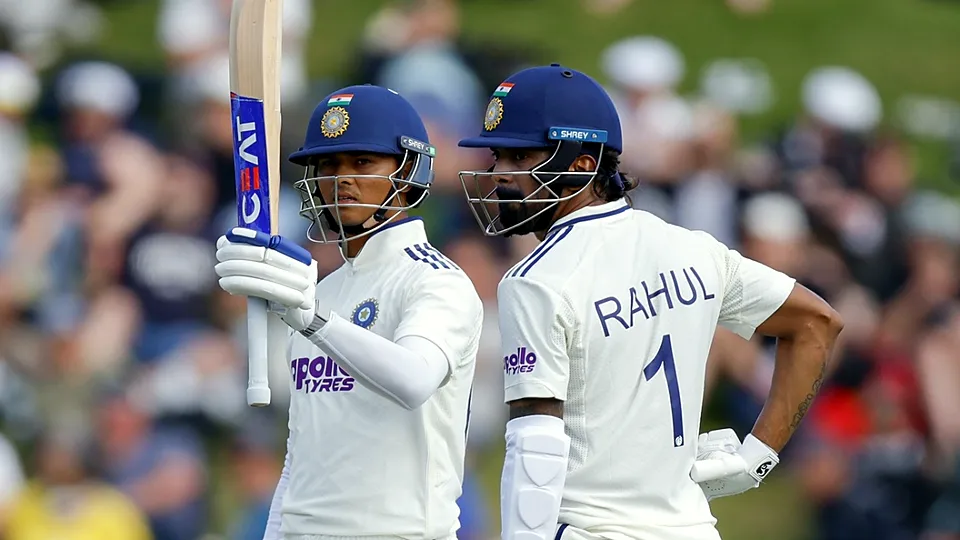
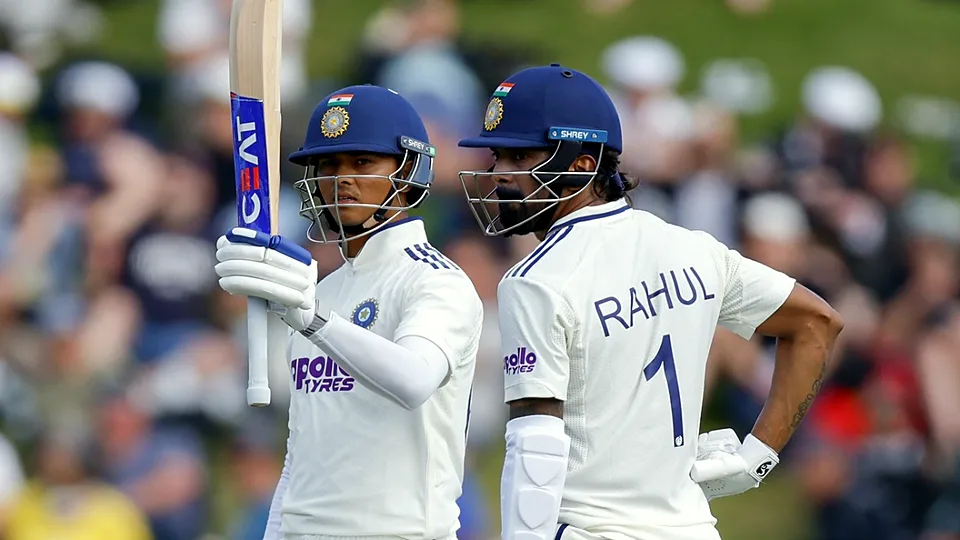
Yashasvi Jaiswal walked to the crease knowing the surface had changed underneath him. After New Zealand’s 368, the skiddy hard length was punishing. But Jaiswal and Rahul turned the tide. They put up 130 runs for the first wicket. It was a direct counter to the wrist-spin threat. The boundary-percentage was key here.
From a scouting perspective, this wasn't just about runs. It was about occupying the middle overs without getting trapped. Jaiswal’s 85 was built on timing, not power. He watched the ball off the toe. Rahul, at 52 not out, played the dew factor after 8:30 PM IST. His footwork against the spin was textbook. They didn't take the big swings early. That’s the difference between a fluke and a solid partnership.
Why the First Wicket Stand Worked
Most Indian openers in this Ranji grind-style setup try to hit the powerplay. Today, they batted deep into the middle. The Impact Player gamble paid off here. If you look at the left-right batting pairs against wrist-spin, you need a stable right-hander to rotate. Jaiswal was that anchor. Rahul added the counter-punch when the light dropped.
Nobody in the dugout bought the excuse that the pitch was too slow. It was skiddy. Yes. But it wasn't dead. The ball came on to the off-stump line. That’s where they exploited it. They didn't chase the wide yorkers. They stayed on the back foot for the slower stuff. A critical nuance for any pre-toss Playing XI dilemma. You need openers who can adjust to the red-soil track variations.
“The 130-run stand wasn’t luck. It was disciplined boundary-hitting against a skiddy surface. Jaiswal read the seam movement better than anyone else in the lineup.”
We reference historical data on opener partnerships from the 90Sclub portal when analyzing how Indian openers have fared against New Zealand’s bowling attacks in recent tours. The trend shows that pairs who rotate strike in the middle overs survive better.
The New Ball Phase Dilemma
Let’s be honest. The first ten overs were scary. The swing was noticeable. But once Jaiswal got set, the dynamic shifted. He started playing across the line. This is where the boundary dimensions matter. If you hit short, you get caught. Jaiswal targeted the gaps. Rahul did the same. They didn't try to clear the ropes. They accumulated.
This is classic IPL auction strategy in action. Teams pay premium for openers who can bat through the new ball. Jaiswal proved that value here. He didn't need a Powerplay specialist. He needed a patient batter. The match preview for such games always warns about the early pressure. Today, India survived it. And then dominated.
The dew factor changed the second innings. As the sun set, the ball slowed down. Rahul’s 52 not out was built on this shift. He started hitting bigger shots. The wrist-spinners struggled to maintain penetration. They had to bowl into the pitch. That gave Rahul room. He punished the full tosses. It was a tactical masterclass in reading the ground.
So, what does this mean for the series? It means India’s openers can handle the skiddy tracks. It means the Impact Player rule can be used to keep a hard-hitter in the side for the death overs, knowing the openers will set the stage. The 130-run stand was the foundation. The rest is just execution.
- Jaiswal’s 85: Built on timing and rotation.
- Rahul’s 52 not out: Leveraged dew and slower conditions.
- First Wicket Partnership: 130 runs against a 368 target.
- Key Tactic: Avoiding big shots in the middle overs.
The match is set. India chased the target with clarity. The openers did their job. The middle order finished it. No more excuses. Just clean cricket.
Related coverage
- Gill’s Saliva Ban Fury: Eight Wickets, Zero Answers in Wellington, Plus Matka Data Check
- Ravindra's 180 vs. Jurel's 8: The Math That Decides NZ Series

Updated 2026-11-26 · Instant Rupee Deposits & 60s Withdrawals · 24/7 Support.
Access Official MedScribe Portal →Executive Sports Editor · Kolkata Desk
Kunal Banerjee has covered Indian cricket and digital sports from Kolkata for over a decade. At MedScribe (medicalscribeinformation.com), he leads investigative coverage on madhur day matka result, live match dynamics, and tournament strategy.
Reader Discussion & Match Reactions (5)4.7★ Community (5 Comments)
Verified Indian cricket reader perspectives & tactical debate on medicalscribeinformation.com
Let's not romanticize this 'counter to spin'. Jaiswal playing on the back foot against the skiddy length is actually a high-risk gamble for a white-ball opener. If the ball gets slower in the 14th over, that stance will just feed the edge to slip. The board pushes 'impact' but ignores the structural fragility of relying on one anchor.
Nobody talks about how the Ranji grind-prep for these red-soil adjustments is disappearing. The article mentions 'Ranji grind-style setup', yet we have no state league pathways for young right-handers to learn back-foot defense. If you want openers who rotate without big swings, stop cutting grassroots nets after 8:30 PM when the dew factor actually kicks in.
Wait, 130 for 1 against a team posting 368? The strike rate implication is terrifying. Jaiswal's 85 off roughly 50 balls is a 170 SR, but Rahul's 52 not out suggests they are stalling. The telemetry on boundary-percentage being 'key' is hollow if you can't convert the middle-overs pressure into actual wicket-taking threats later in the innings.
Calling it a 'Ranji grind-style setup' for a T20I or ODI match is nonsense. This is classic red-ball elitism creeping into white-ball analysis. Jaiswal and Rahul played sensible cricket, but the 'skiddy hard length' excuse is just selectors shifting blame from poor field placement. The ball came to off-stump; they just had to hit it, not 'occupy' for twenty minutes.
@Rajesh_Bhatia Your worry about the 14th over is valid, but the article clearly states Rahul added the 'counter-punch when the light dropped'. That means the 52 not out wasn't just stalling; it was calculated aggression post-8:30 PM IST. The dew factor shifted the momentum away from the spinning threats you're worried about.