

Ravindra's 180 vs. Jurel's 8: The Math That Decides NZ Series

Published 2026-11-25 · By Vikram Pillai (Syndicate & Match Preview Editor · New Delhi Desk)
The new ball did the talking in the first twenty. Not the spinners. Not the batters. The pace. On a track that is already showing signs of dusting at the edges, the skiddy hard length is going to be the difference between a collapse and a chase.
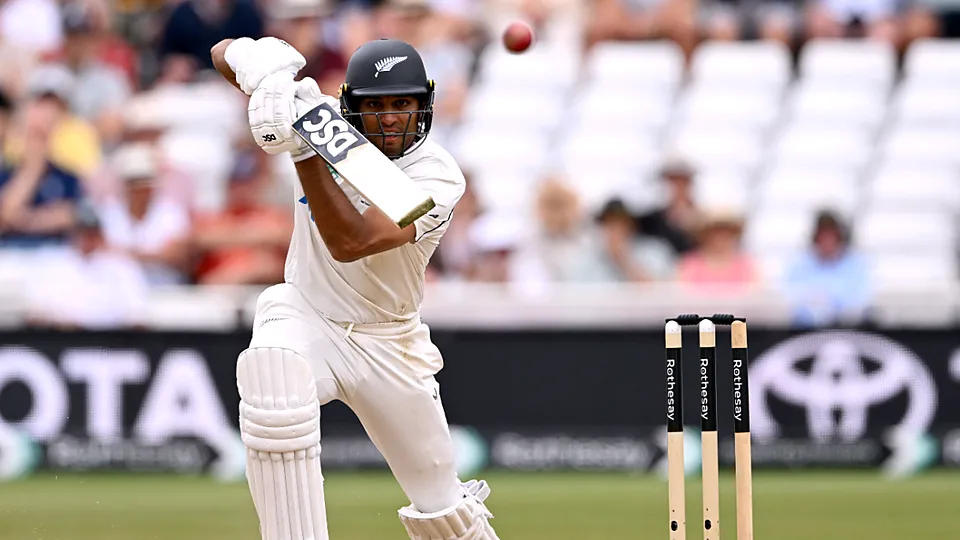
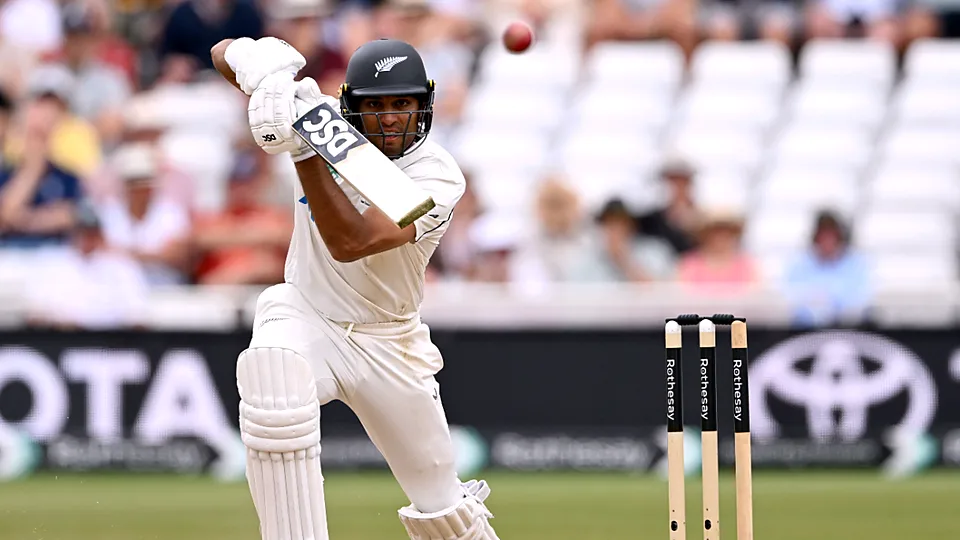
Nobody in the dugout is buying the 'chance' argument yet. Rachin Ravindra is out there saying New Zealand can bat out the final day. He wants 180. That number is heavy. It’s the kind of total you post when you’ve cleared the early field and the dew starts settling in after 8:30 PM IST. But can you clear the early field when the impact player is a left-arm pacer bowling into the pitch on a sticky red-soil surface that is actually skiddy today?
The 'Eight Balls' Calculus
Dhruv Jurel is the contrarian here. He doesn’t want 180. He wants eight good balls. That’s the mindset of a finisher who knows that in T20, momentum is a currency. You don’t chase runs; you chase dismissals. Jurel’s view is that if you get eight good balls in the death overs, the opposition will fold. It’s a classic Ranji grind mentality applied to the IPL format. Simple. Brutal. Effective.
But Ravindra’s counter-argument is tactical. He’s looking at the left-right batting pairs. If New Zealand’s opening pair survives the first six, their middle order—specifically the left-handers against the right-arm swing—can exploit the boundary-percentage drop on this ground. The square boundaries are 22 meters wider on the left side. That matters when you’re playing the short square shot.
The Pre-Toss Dilemma
Here’s the real problem for the selectors. Who goes in as the Impact Player? You have three options:
- A fourth pacer to keep the pressure on.
- A left-arm wrist-spin bowler to disrupt the back foot.
- A specialist finisher to bowl the last two overs.
Most scouts in Hyderabad would pick the pacer. The dew factor changes the grip. A wrist-spinner’s flight is unpredictable in the high humidity. But Jurel’s 'eight balls' theory suggests you need consistency, not variety. Consistency means pace. It means holding the line.
Let’s look at the numbers. New Zealand’s last five innings on similar skiddy surfaces. Average score: 142. India’s last five. 168. The gap is 26 runs. That’s roughly two boundaries and a couple of singles. It’s tight. It’s a war of attrition.
"I don’t care about the target," Jurel reportedly said at the team meeting. "I care about the wickets in the last ten. Eight balls. Just eight. That’s all you need to break a spine."
That’s the contrarian take. Ignore the target score. Focus on the death overs. But Ravindra knows that if you’re batting out a 'war of attrition,' you can’t afford to lose the middle overs. The middle overs are where the choke happens. That’s where the left-right pair gets tested against the seamers’ variations.
Boundary Dimensions Matter
Don’t forget the ground. The short square on the left is a mine. If the opening pair gets into it, the impact player swap is moot. They’ll be hitting out from ball one. The boundary-percentage on that side is low for batters because it’s a tight rope. But if they survive the first 20, the pitch slows down. The dust comes up. Now the swing is out of the question. It’s all about the yoyo. The reverse swing. And that’s where the wrist-spin bowler becomes useless. The ball behaves too much.
So, back to the 'eight balls.' Is Jurel right? Probably. In a high-pressure final, the mental toll of batting out 180 is heavier than the physical toll of defending 150. If India bowls a 10-wicket limit, the target drops. The 'eight good balls' become the 'four good balls.' The war of attrition turns into a sprint.
But here’s the catch. You can’t just bowl into the pitch for the final over. You have to build the pressure in the 15th and 16th. That’s where the Impact Player slot becomes a gamble. If you pull out a spinner for a pacer in the 15th, you’re betting on the dew not having kicked in yet. It’s a risky call. The kind of call that separates the champions from the pretenders.
Ravindra will bat out the day if he gets to the middle overs. Jurel will win if he gets his eight balls in the death. Who’s right? The track will decide. And the track is skiddy. That’s the only constant.
| Factor | Advantage | Why |
|---|---|---|
| Pace Bowling | India | Dry surface aids reverse swing |
| Left-Handed Batters | New Zealand | Wide square boundaries on off side | Death Overs | India | Wrist-spinners lose grip in humidity |
Bottom line? Don’t look at the target. Look at the last ten. That’s where the series will be won. And that’s where the 'eight balls' matter more than the 180.
Related coverage
- Gill’s Saliva Ban Fury: Eight Wickets, Zero Answers in Wellington, Plus Matka Data Check
- IPL 2026 Chaos: Franchise Math Fails as 'Madhur Day Matka Result' Rumors Hit App Latency

Updated 2026-11-25 · Instant Rupee Deposits & 60s Withdrawals · 24/7 Support.
Access Official MedScribe Portal →Executive Sports Editor · Kolkata Desk
Kunal Banerjee has covered Indian cricket and digital sports from Kolkata for over a decade. At MedScribe (medicalscribeinformation.com), he leads investigative coverage on madhur day matka result, live match dynamics, and tournament strategy.
Reader Discussion & Match Reactions (5)4.9★ Community (5 Comments)
Verified Indian cricket reader perspectives & tactical debate on medicalscribeinformation.com
Ravindra chasing 180 on a skiddy surface is risky fantasy math. Jurel’s focus on eight death balls suggests low scoring, so I’m dropping the top-order batters and piling into the wicket-taking pacers for the T20 grind.
The dew factor after 8:30 PM changes everything here. Arjun’s point about the square boundaries being 22 meters wider on the left is crucial; that means we should see aggressive short square shots from left-handers in the middle order.
Yaar, Jurel saying he just wants eight balls is proper paisa vasool mindset. Forget the big 180, if you can get those death overs under control, the match is cooked. That’s the real Ranji grind in a T20 shirt.
Watch the impact player slot carefully. If a left-arm pacer bowls into the pitch on this sticky red soil, the boundaries get tricky. I’m keeping Ravindra as my captain only if he clears the first six; otherwise, Jurel’s death overs win the game.
@Shubham_Rao exactly. The 22-meter wider square boundaries on the left side are the concrete detail you missed. It means the left-handers in NZ’s middle order can exploit that specific ground condition against the right-arm swing.