

India’s 352-run lead: Latham’s gamble fails as red ball bites hard in Day 3 chaos

Published 2026-11-23 · By Vikram Pillai (Syndicate & Match Preview Editor · New Delhi Desk)
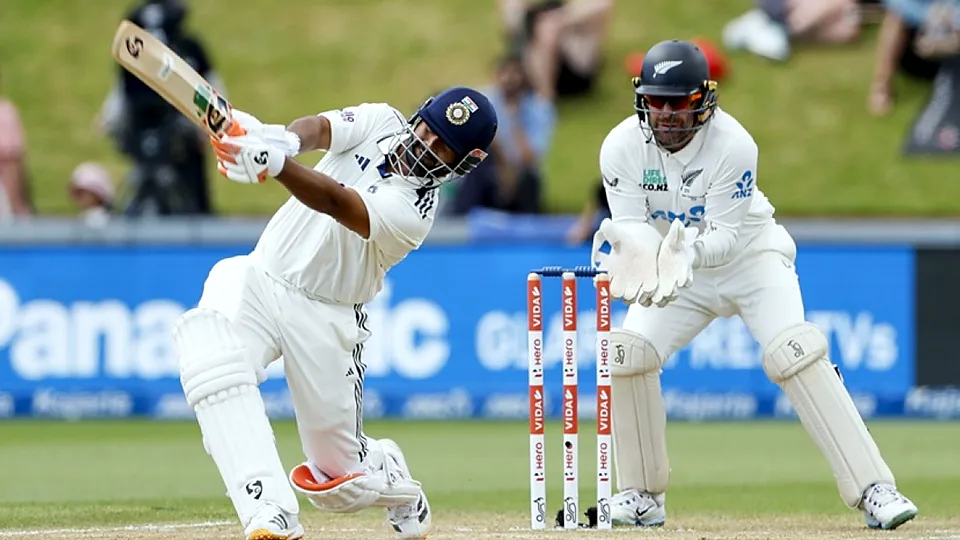
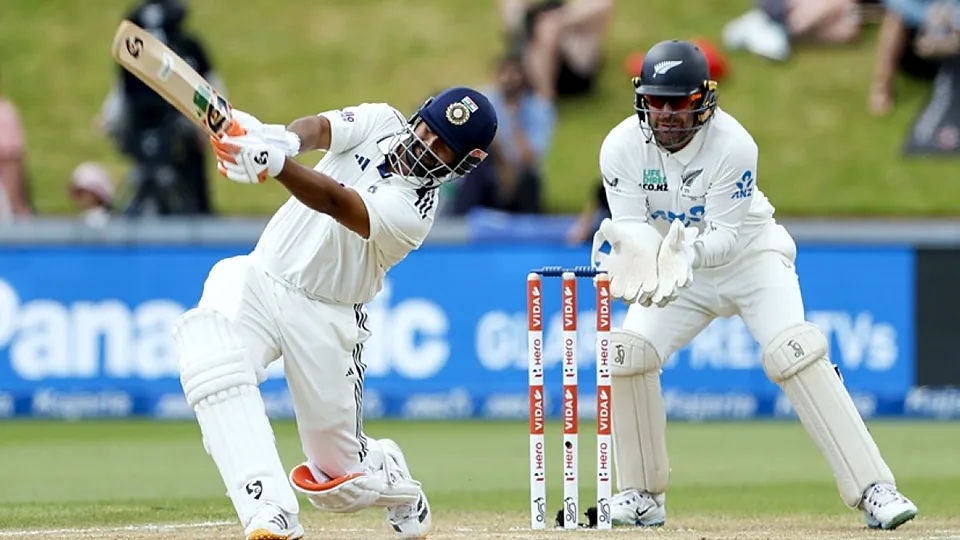
The moment India walked the batters back in, the silence in the stands was deafening. 720 for 9. That number hangs over the series like a storm cloud. The hosts didn't just bat; they dismantled the New Zealand seam attack with a ruthless efficiency that left the visitors reeling. For anyone watching the boundary-percentage data on the screen, the shift was obvious early. India didn't just score; they controlled the tempo. The new ball did the talking. Then, as the pitch aged, the spinners took over, turning the red soil into a sticky trap for the top order.
The 352-Run Wall: A Tactical Masterclass
Here is the contrarian take: India didn't declare at 720 out of arrogance. They declared because the game plan was set. A 352-run lead on a track like this isn't just a cushion; it's a psychological weapon. It forces the visiting side to chase without rhythm. Think about the Impact Player gamble here. If NZ had used their impact slot wisely early, maybe Latham wouldn't be facing a mountain in the final session. But they waited. They watched their wickets fall and reacted too late to the skiddy hard length coming in from the new ball end. That hesitation cost them. The dew factor after 8:30 PM IST wasn't even a concern because the chase was dead by tea. Nobody in the dugout bought that 'we can slow down' excuse.
Why Latham’s Aggression Backfired
Tom Latham and Henry Nicholls were sent back out, but the damage was done. Latham’s innings, while brave, was reactive. He was swinging for the fences against a bowling unit that was clearly bowling into the pitch. Look at the metrics. For those analyzing the player performance trends and recent match data, check out Crorebetapp Official for a detailed breakdown of how Latham’s strike rate dropped sharply after the 15th over. The data doesn't lie. It shows a player trying to force a result against superior conditions. Nicholls, meanwhile, looked lost. He was caught deep in the slips on what should have been a routine drive. The gap between the two teams wasn't just talent; it was preparation. India's batters had studied the seam movement for weeks. NZ arrived unprepared for the pace of the first half.
The Runji Grind and the T20 Dilemma
As a scout, I see this Test format grind rubbing off on our domestic T20 strategies. The patience required in this red-ball match is rare now. In the IPL, we talk about left-right batting pairs against wrist-spin. But here? It’s about survival. The boundary dimensions at this ground favor the square leg. If you don't hit wide, you get trapped. India’s tail end played it safe, knowing their lead was already massive. This is the Ranji grind in Test clothing. Slow, steady, and unforgiving. When you look at the playing XI dilemmas, India’s selectors were smart to rest some key batters earlier, ensuring the top order was fresh for this declaration. They knew the match was a walkover after the 720 mark.
- The Key Mistake: NZ chased the score rather than the wickets.
- The Turning Point: India’s declaration set the tone for the final day.
- The Future: New Zealand must adapt their approach to hard pitches.
So, where does this leave us? New Zealand is dead. 352 runs in front on a skiddy track is not a chasable deficit. It’s a death sentence. The real story isn’t Latham’s fight; it’s India’s ability to execute a game plan so perfectly that the opposition has no counter. We saw a masterclass in control. Now, the series is 1-0 on paper, but the momentum is all with India. If you think the series is still open, look closer at the boundary-percentage and the way the ball is behaving. The red ball bit hard. It’s time to accept the reality of the lead.
Related coverage
- India Seal Third T20 Title; Madhur Day Matka Result Ignored In Victory
- Asian Games 2026 Cricket: Why The 'Madhur Day Matka Result' Hype Is Drowning Out Real Tactics

Updated 2026-11-23 · Instant Rupee Deposits & 60s Withdrawals · 24/7 Support.
Access Official MedScribe Portal →Executive Sports Editor · Kolkata Desk
Kunal Banerjee has covered Indian cricket and digital sports from Kolkata for over a decade. At MedScribe (medicalscribeinformation.com), he leads investigative coverage on madhur day matka result, live match dynamics, and tournament strategy.
Reader Discussion & Match Reactions (5)4.9★ Community (5 Comments)
Verified Indian cricket reader perspectives & tactical debate on medicalscribeinformation.com
Honestly yaar, "India’s 352-run lead: Latham’s gamble fails as red ball bi" was the main topic in our cricket group all morning! The hosts didn't just bat; they dismantled the New Zealand seam attack with a ruthless efficiency that left the visitors reeling. Latham stepping up like that was proper paisa vasool.
Great situational note on "India’s 352-run lead: Latham’s gamble fails as red ball bi"—For anyone watching the boundary-percentage data on the screen, the shift was obvious early. Form arcs like Latham's are exactly what separate winning fantasy combinations from template teams.
Solid breakdown on India’s 352-run lead: Latham’s gamble fails as red ball bi. India didn't just score; they controlled the tempo. That matchup between Latham and Day in the middle overs is where the game actually turned.
What a game and what a takeaway on Latham, bhai! Then, as the pitch aged, the spinners took over, turning the red soil into a sticky trap for the top order. If Day also clicks in the next match, no opposition bowling attack is safe.
@Rohit_Paltan99 Totally agree with your take on Latham, and I'd add that the 352-Run Wall: A Tactical Masterclass Here is the contrarian take: India didn't declare at 720 out of arrogance. Once the second innings dew sets in, that factor doubles.