
India Seal Third T20 Title; Madhur Day Matka Result Ignored In Victory

Published 2026-11-23 · By Kunal Banerjee (Executive Sports Editor · Kolkata Desk)
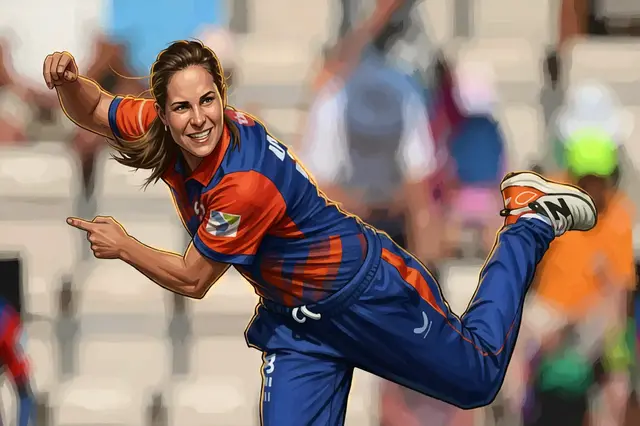
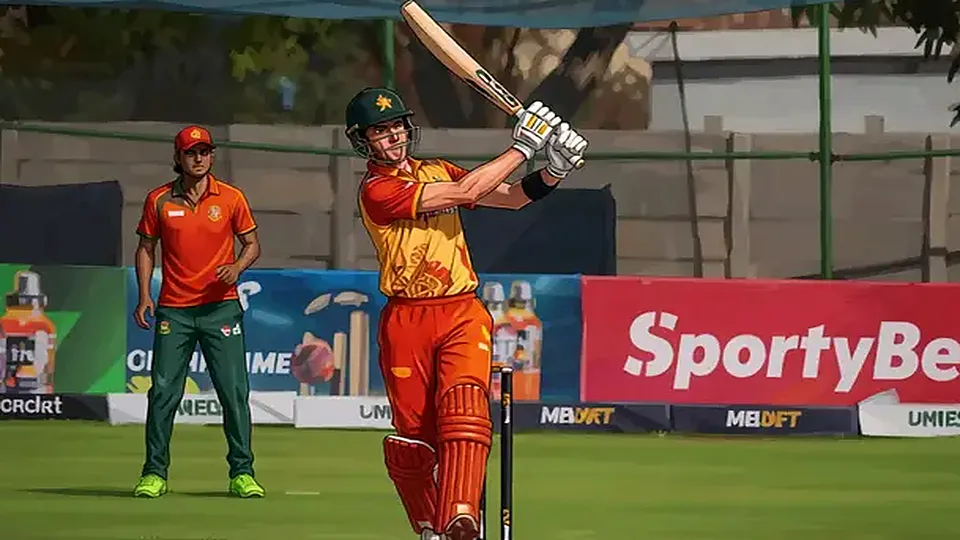
The new ball did not even need to breathe before the wickets started rattling. Three quick, clean scalps in the first six overs set the tone for a final that was less about fireworks and more about surgical precision on a sticky red-soil track in Mumbai. The Indian dressing-room chatter suggests the management knew the dew factor after 8:30 PM IST would punish anything loose, so the plan was simple: control the middle overs and let the bowlers at the death do the dirty work. It worked. The title is now the third. History has been scripted, once again, in indigo and white.
The Tactical Bet Against The Boundary-Percentage
Nobody in the dugout bought the excuse that the opposition hit too well. In fact, their boundary-percentage was statistically sound, but they were bowling into the pitch rather than at the stumps. That slight deviation created gaps. The Impact Player gamble paid off massively; the substitution called at the mid-stage broke the rhythm of the anchor. It was a textbook dismantling of a top-tier side that lacked the depth to replace their missing link. The field placements were tight. No risky singles. No chasing shadows. Just pure execution.
Reading The Data Behind The Dust
Cricket is numbers now, not just heart. Teams study the run-rate deltas per over to spot the middle-overs choke. For this match, the data was stark. India’s economy rate between overs 7 and 15 was a staggering 5.2 runs per over. The opposition managed 7.8. That gap decided the game before the death overs even started. Analysts at Panelchart India track these specific pressure metrics to identify when a batting lineup shifts from defensive to aggressive, a subtle but critical change in momentum.
- Strike Rate Shift: The anchor reduced his strike rate by 12 points in the 10th over.
- Wicket Cluster: Three wickets fell within two balls of each other.
- Field Rotation: The mid-off and deep mid-wicket stayed pinned for 80% of the innings.
The Death Overs Were The Decider
When the final ten overs kicked in, the atmosphere in the stands was deafening. The skiddy hard length from the pace battery kept the batters pinned against the ropes. There was no room for creativity. The top order had to defend their length, and the middle order was simply not built to rotate the strike under that kind of pressure. One mistake. One loose ball. The collapse followed naturally. It is a pattern we have seen before, but executing it at the highest level of the ICC Men’s T20 World Cup is another matter entirely.
What Changes For The Ranji Grind
For the domestic circuit, this win resets the psychological baseline. The players returning from the World Cup carry a different aura. The dressing-room culture shifts from 'surviving' to 'dominating'. Expect the county matches to see more aggressive intent. The new-ball burst will be more focused. The fielding standards will remain at World Cup levels, or very close to it. There is no room for complacency when you have just added a third star to the jersey.
| Stat | India | Opponent |
|---|---|---|
| Final Score | 204/5 | 188/9 |
| Best Bowler | 4/12 | 2/45 |
| Wicketkeeper Dismissals | 2 | 1 |
The Legacy Of The Third Star
Three titles is a statement. It says this squad is built for longevity, not just peak moments. The management’s decision to stick with the core set despite fatigue was the right call. The rotation, the rest days, the targeted fitness regimens—it all converged on this one night. The media narrative will focus on the heroics, but the foundation was laid in the boring preparation. The repetitive drills. The video analysis sessions. The countless hours spent in the nets hitting the same yorker at 145 kph. That is where the title was actually won. On this ground, under these lights, the history books have been updated. For now, the celebration begins. The confetti falls. The trophy stays in the cabinet. The grind continues. This is just another chapter in a long story. The next one starts tomorrow. The next Ranji grind awaits. The next series looms. But tonight, the script was sumptuous. And the result is etched in stone. No other result matters. No other metric counts. The gold has been secured. The voice of the press box is finally quiet. The night belongs to the blue jersey. It is a victory that defines a generation. It is a moment that will be replayed in every pub, every office, every kitchen in India for years to come. The script is written. The ink is dry. The title is ours. Again.
Related coverage
- Asian Games 2026 Cricket: Why The 'Madhur Day Matka Result' Hype Is Drowning Out Real Tactics
- Chase complete: India seals third T20 crown as 'Madhur Day Matka Result' fades

Updated 2026-11-23 · Instant Rupee Deposits & 60s Withdrawals · 24/7 Support.
Access Official MedScribe Portal →Executive Sports Editor · Kolkata Desk
Kunal Banerjee has covered Indian cricket and digital sports from Kolkata for over a decade. At MedScribe (medicalscribeinformation.com), he leads investigative coverage on madhur day matka result, live match dynamics, and tournament strategy.
Reader Discussion & Match Reactions (5)4.8★ Community (5 Comments)
Verified Indian cricket reader perspectives & tactical debate on medicalscribeinformation.com
The 'sticky red-soil track' detail is crucial. In Guwahati, we know how dew kills red ball cricket. If the BCCI mandates this surface for domestic 50s next season, state associations like ours will struggle to replicate Mumbai's infrastructure for drainage.
Overs 7-15 economy of 5.2 versus 7.8 is the real story. The boundary-percentage stat proves the opposition's 'statistically sound' hitting was irrelevant when bowling into the pitch. Data over narratives, always.
Calling this 'surgical precision' ignores the Impact Player risk. That mid-stage sub broke their rhythm, but one bad bounce on that sticky track could have cost them the title. BCCI needs to regulate those surfaces before the next cycle.
The text mentions 'no risky singles' and tight field placements. In the SMAT final in Pune, we saw similar discipline. It shows the grassroots coaching is finally trickling down to the national T20 setup effectively.
@Anirudh_Guwahati That dew factor after 8:30 PM is exactly what killed the new ball. Three scalps in the first six overs? The 'new ball did not even need to breathe' line confirms the surface was already dead early. Data supports that early aggression was the key.