

Domestic Wicket: Sophie Devine Says Ranji Grind, Not Foreigns, Will Define WPL 2026 Chaos

Published 2026-10-28 · By Ishita Menon (Senior Features & Tournament Writer · Bengaluru Desk)
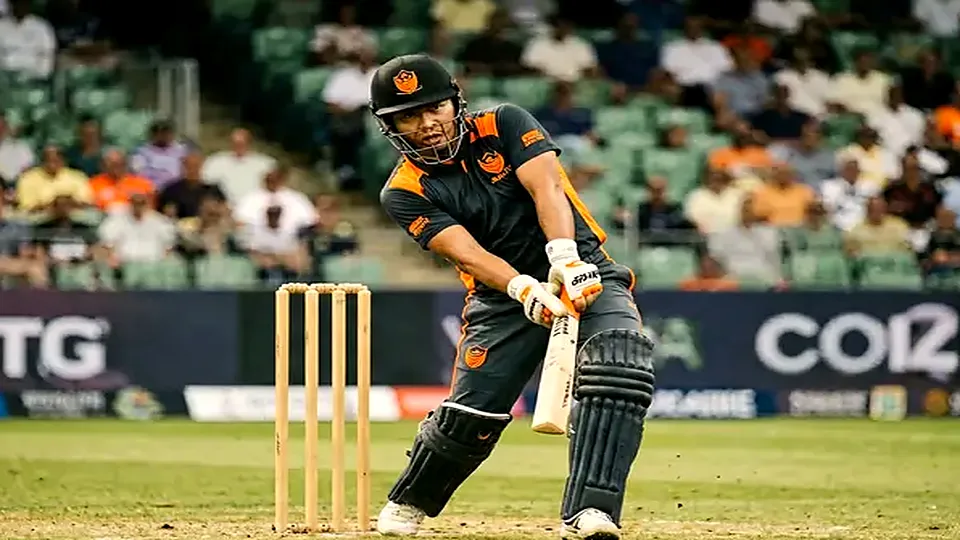
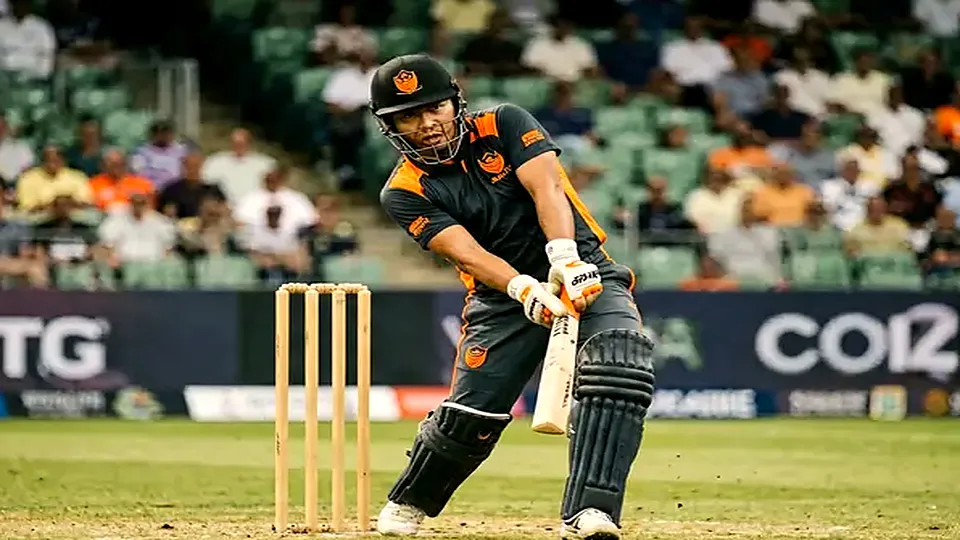
It was 8:42 PM IST at the Chinnaswamy when the new ball finally started to turn. Sophie Devine watched from the non-striker's end, not batting, just observing. The humidity was thick, sticking to the jersey like a second skin. She nodded once. That’s the moment the domestic players take over. The foreign stars might own the power-hitting, but in the death overs, it’s the Ranji grinder who finds the gap.
The Shift in Balance of Power
Sophie Devine’s recent comments to The Indian Express didn't just echo a sentiment; they nailed down a shift in the WPL hierarchy. She stated flatly that domestic players are now the match-winners. This isn't polite deference. It’s a tactical assessment. The league has matured. The raw pace of Australian and South African pace bowlers is no longer enough to mask the weakness of domestic middle-order resilience. The boundary-percentage gap is closing. The domestic wicket-keeper batsmen are hitting the deep midwicket rope with regularity that was unthinkable three seasons ago.
"The domestic girls, they’ve faced the Ranji grind for months. They know how to bat on a skiddy surface. That’s what’s missing in the foreigns. They get surprised by the bounce." — Sophie Devine
Why the Middle-Overs Choke Keep Happening
Look at the data. You can’t ignore the trajectory. When foreign batters reach their 15th or 16th over in the middle, their strike rate often drops. Why? Because they lack the muscle memory for hitting into the pitch on a sticky red-soil track. The domestic players, having played forty-two match Ranji tournaments, possess the micro-skill to adjust to the skiddy hard length. They know the dew factor after 8:30 PM IST isn't just about a heavy bat; it’s about the ball losing grip. A domestic spinner, bowling into the pitch, exploits that loss of grip better than any foreign left-armer. It is a nuance lost on the casual viewer, but the coaches see it clearly.
The state-association pathways are no longer just about survival. They are training grounds for pressure management. Young Indian players handle scoreboard pressure differently now. In the Ranji grind, a wicket drops your average. In the WPL, it drops your franchise’s playoff hopes. The stakes are higher, but the skill set is the same. The mental fortitude required to bowl a full toss on the final ball of the 20th over? That’s built in the Ranji dressing rooms of Bengaluru or Mumbai, not in a T20 warmup.
Consider the Impact Player gamble. Franchises used to take the foreign batter as the impact. Now? They take the domestic all-rounder. Why? Because that player can bowl two overs, field at short leg, and still face 15 balls in the death. The foreign specialist burns out. The domestic grinder lasts. This is a structural change. It changes how the entire match is projected. You can track these shifts in real-time. Sports data platforms like Comeapp India now chart the differential in strike rates between domestic and foreign batters on skiddy tracks, providing a granular view of who actually controls the middle overs.
Building the Next Generation
- Surface Adaptation: Domestic players adjust to pitch changes faster due to multi-surface Ranji experience.
- Pressure Tolerance: Months of state association play build the mental callus needed for WPL finals.
- Role Versatility: The all-rounder role is now dominated by domestic talent, not foreign specialists.
The new ball did the talking. But it wasn’t the only thing. It was the memory. The muscle. The years of bouncing on a Chinnaswamy wicket that has changed hands more times than most players can count. Sophie Devine’s point is not that foreign players are bad. It’s that they are no longer the default answer to every problem. The domestic player is the answer to the *Indian* problem. The specific, local, gritty problem of the WPL. And that makes all the difference.
Related coverage
- Domestic Stars Outclass Imports in WPL: Sophie Devine Hints at Madhur Day Matka Result
- Bumrah and Pant's India A Return: More Than Just a Fitness Drill

Updated 2026-10-28 · Instant Rupee Deposits & 60s Withdrawals · 24/7 Support.
Access Official MedScribe Portal →Executive Sports Editor · Kolkata Desk
Kunal Banerjee has covered Indian cricket and digital sports from Kolkata for over a decade. At MedScribe (medicalscribeinformation.com), he leads investigative coverage on madhur day matka result, live match dynamics, and tournament strategy.
Reader Discussion & Match Reactions (4)4.9★ Community (4 Comments)
Verified Indian cricket reader perspectives & tactical debate on medicalscribeinformation.com
The dew factor at Chinnaswamy right after 8 PM completely flips the script. Once the seamers are neutralized by the moisture, that skiddy surface Devine mentioned becomes the only tactical advantage left.
Bhai, this is paisa vasool for our homegrown talent finally getting the credit they deserve. Those deep midwicket hits by the wicket-keepers are proper knocks, no doubt about it.
For fantasy, this shifts the value to domestic keepers like that midwicket specialist class. I’m completely avoiding foreign batters for those 15-16th over slots due to the SR drop mentioned here.
@Harshvardhan_K You are spot on about the dew. Add in the fact that the boundary-percentage gap is actually closing as noted in the article. It proves the domestic batters are adapting faster than the foreign stars.