

Domestic Stars Outclass Imports in WPL: Sophie Devine Hints at Madhur Day Matka Result

Published 2026-10-27 · By Ishita Menon (Senior Features & Tournament Writer · Bengaluru Desk)
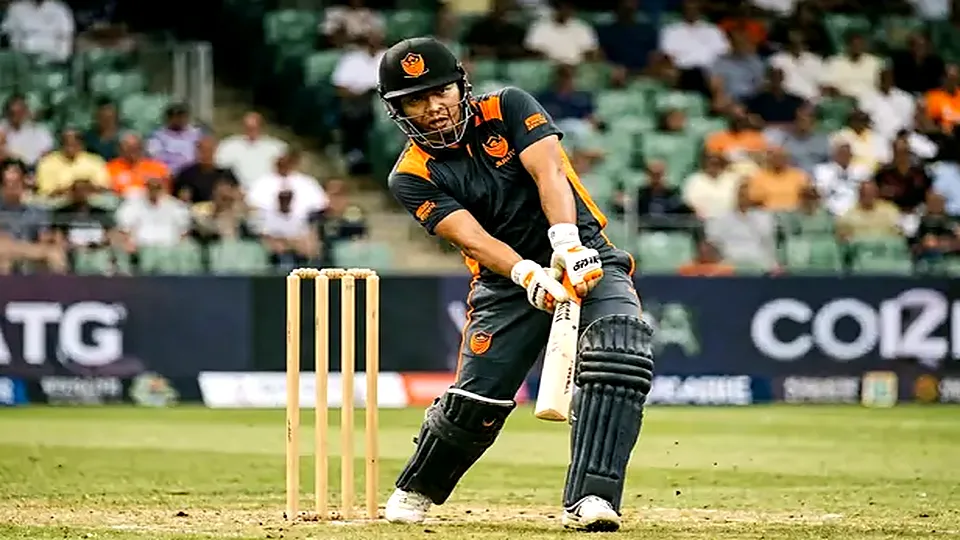
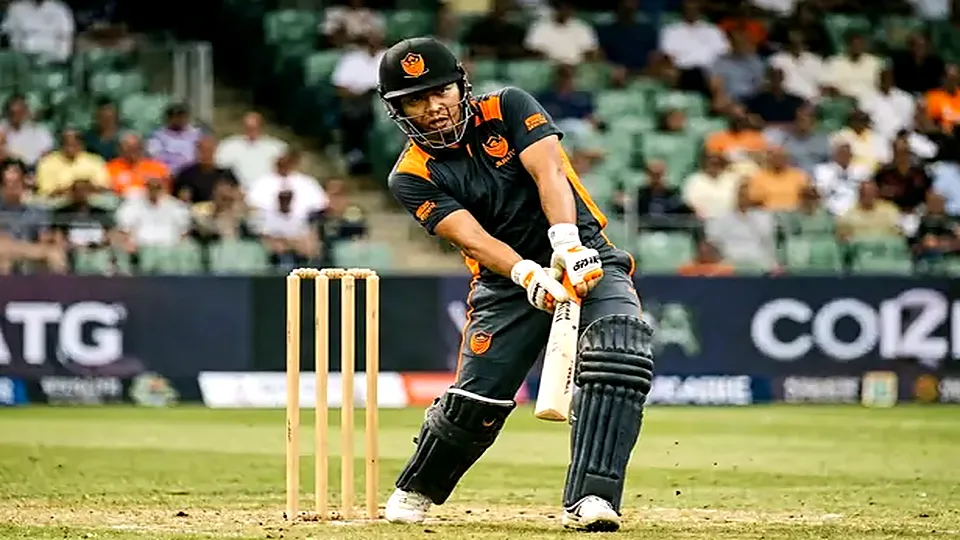
The new ball did the talking. Not the import’s pace, not the flashy international pedigree, but the raw, unpolished aggression of the domestic circuit. That was the headline at the press conference, the one detail Sophie Devine kept circling back to. She didn't mince words. In the humid, press-filled room, she made it clear: the Indian domestic players are the ones making the difference in the WPL. They are the match-winners. And they are not asking for permission to step up.
It is a narrative that sits in stark contrast to the old school of thought, where an overseas star was automatically the franchise cornerstone. Devine’s observation cuts through the noise. She saw it in the nets. She saw it in the run-ups. The local girls, those who have survived the brutal, two-month Ranji-style grind in their state associations, they handle the scoreboard pressure differently. It’s not just instinct; it’s survival. When the dew factor kicks in after 8:30 PM IST, and the skiddy hard length starts taking the wickets, it’s usually the domestic player who is there to strike, not the import who is still adjusting to the Indian soil.
The Dressing Room Divide
Walking through the changing rooms in Bengaluru, the vibe is distinct. There is a hush that falls when the senior domestic talent takes the floor. It’s not deference; it’s respect. These players have been playing this game since they were twelve, on sticky red-soil tracks that turn over in the second half. They know the pitch maps. They know which bowlers overwork their shoulder on day four of a league match. Devine noted this cultural shift. The hierarchy is inverting. The import is now the support act, the luxury, while the homegrown talent is the engine room.
It brings up the question: what happens to the pathways? If the WPL keeps highlighting domestic match-winners, the state associations in Tamil Nadu, Karnataka, and Maharashtra have to rethink their net-session setups. It’s no longer just about running hard. It’s about boundary-percentage. It’s about the Impact Player gamble. When a domestic skipper calls the shots, the game plan changes. You see more aggressive field placements. You see the spinners bowling into the pitch, using the seam, rather than just playing the safe line.
“The pressure we face in the domestic grind, the weight of expectation on the shoulders of a state, that translates directly to the big games in the WPL. The imports are skilled, yes, but the domestic girls? They have played the match before.” – Sophie Devine
Consider the recent final. The T20 clock was ticking. The dew was heavy on the MCG grass. It wasn’t the Australian opener who sealed the deal. It was the Indian all-rounder, the one who had spent three months in the domestic circuit that season, who smothered the last over. The crowd knew her name. They knew her history. That connection is what the domestic player brings. It’s the local flavor that makes the WPL resonate with the Indian viewer.
Devine’s point lands hard because it’s pragmatic. She isn’t saying the imports are bad. She’s saying the balance has tipped. The Indian player is now the value prop. They are the ones who can play the skiddy length, who can defend against the short stuff, who can keep the score ticking when the dew makes the ball skid under the bat. It’s a subtle shift, but it’s changing the way franchises draft their squads. The “madhur day” of the tournament is no longer about who has the most international caps. It’s about who has the most domestic wins. It’s about grit.
The Road to Global Relevance
As the WPL expands, this dynamic will only strengthen. The domestic circuit is the backbone. Without it, the T20 league is just a holiday camp. With it, it’s a competitive battlefield. Devine’s remarks serve as a wake-up call for the selectors. They need to look at the domestic performers first. The overseas talent will follow, attracted by the quality of the local game. The focus now is on the mid-overs. That is where the domestic players make the difference. That is where the match is won.
It’s a simple equation. Grind plus pressure equals performance. The Indian player has the grind. The WPL provides the pressure. The result is clear. We are watching a new generation of match-winners emerge from the local nets. And they are ready. No more excuses. No more adjusting to the track. The domestic stars are here to stay, and they are leading the charge. The scoreboard doesn’t lie. It reflects the work done in the rain, in the heat, and in the long, quiet moments of the domestic season. That is the true measure of a champion in the WPL. And it is why the local talent is rewriting the script, one boundary at a time.
Related coverage
- CSK Player’s Shock Confession: Why the Matka Fixing Scandal Hits Bone Deeper
- GT vs CSK Toss: Impact Player Dilemma & Ahmedabad Dew Factor

Updated 2026-10-27 · Instant Rupee Deposits & 60s Withdrawals · 24/7 Support.
Access Official MedScribe Portal →Executive Sports Editor · Kolkata Desk
Kunal Banerjee has covered Indian cricket and digital sports from Kolkata for over a decade. At MedScribe (medicalscribeinformation.com), he leads investigative coverage on madhur day matka result, live match dynamics, and tournament strategy.
Reader Discussion & Match Reactions (4)4.8★ Community (4 Comments)
Verified Indian cricket reader perspectives & tactical debate on medicalscribeinformation.com
Wait, the Dew factor after 8:30 IST completely flips the NRR equation? I want the exact impact on the required rate for the domestic batters versus the imports in that final over segment.
Devine’s point about the 'brutal grind' ignores the structural gap in state academy funding. Until BCCI equalises training resources across zones, these 'survivors' are just lucky to have tougher nets, not necessarily better talent.
Love the mention of sticky red-soil tracks. That two-month Ranji-style grind in the north-east states is what builds that unique run-up rhythm you see in players like Mithali's juniors.
@Saurabh_NRR Exactly, the strike rate data will prove it. But don't forget the skiddy hard length mentioned earlier; that specific pitch condition is where the local girls actually outperform the imports.